

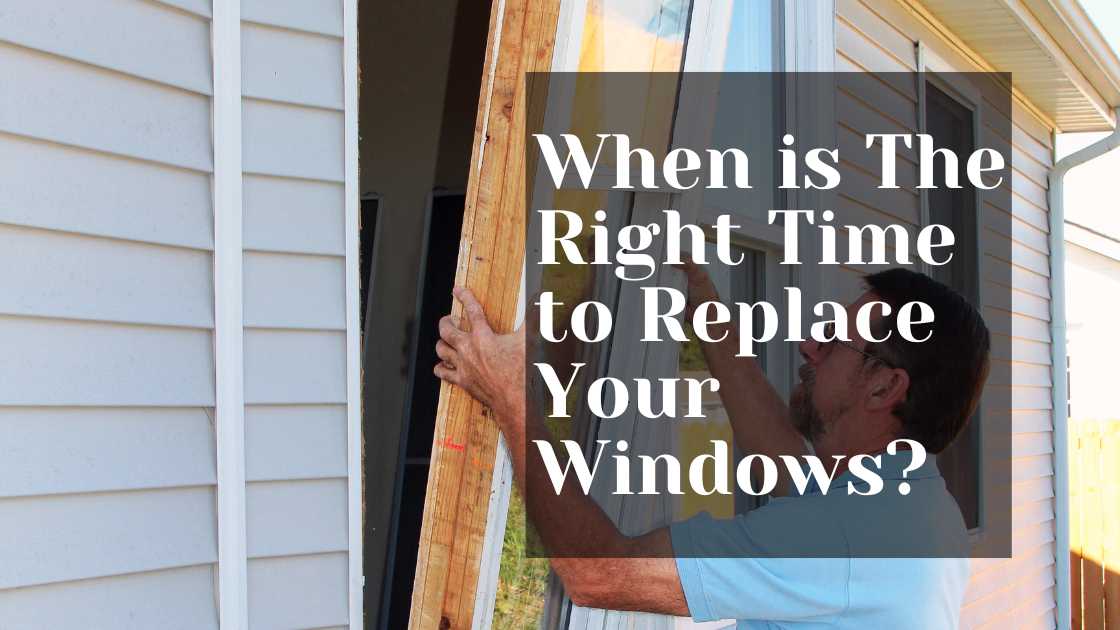
When is the Right Time to Replace Your Windows?
Replacing your windows is a major renovation project. It can be expensive, time consuming and complicated. But if done properly, it can also add significant value to your home and reduce energy costs over time. So when should you replace your windows? Let’s take a closer look at the signs and factors that will help you decide.
Signs That You Should Replace Your Windows
- The first step in deciding whether or not you should replace your windows is to evaluate their condition. Here are some key signs that it may be time for replacement:
- Drafty windows – If you feel drafty air coming through your windows, it’s likely an indication that they’re allowing outside air in. This can lead to higher energy bills as well as make the overall temperature of your home more difficult to control.
- Window frames are rotting – If the wood frames around your windows have begun rotting, molding or warping, it’s probably time for a replacement. The integrity of the frame is essential for keeping out drafts and giving the window its structural strength.
- Foggy glass – Sometimes moisture gets trapped between double-paned glass, causing a fogging effect on the inside of the window glass. This typically means that the seal has been broken and needs to be replaced with new panes of glass or an entirely new window unit altogether.
- Difficulty opening/closing – When windows become increasingly difficult to open or close, this could mean that either they need to be adjusted or they need to be replaced completely due to a worn component such as a hinge or latch mechanism.
- Excessive noise – If you hear excessive noise (like traffic) coming through your windows even when closed, this could mean there’s a gap in between them and/or their insulation material has worn down over time.
Factors To Consider Before Replacing Your Windows
In addition to evaluating their condition, here are some other factors that you should consider before replacing any of your existing windows:
- Cost – How much will it cost for materials and installation? Keep in mind that high quality materials will last longer so don’t skimp on quality just for price savings alone.
- Energy efficiency – Newer models tend to be more energy efficient than older ones so if this is important factor for you then make sure to do research on which type of window works best with local climate conditions (such as cold winters).
- Permits – In some cases permits may be necessary prior to installation so make sure you check with local authorities first before beginning work on any replacements.
- Design & aesthetic – Make sure that whatever design/style of window(s) you choose match up with both the interior & exterior design themes of your home so there aren’t any glaring discrepancies once everything has been installed.
Depending on where you live, replacing old inefficient windows might also qualify for certain tax credits/rebates so keep an eye out for those too before making any final decisions.
Deciding whether or not it’s worth replacing old inefficient windows is ultimately up to each individual homeowner depending on their budget & goals for renovating their property; however if done properly it can add significant value & reduce energy costs over time—so don’t hesitate too long if you notice any of these signs! By researching different options available & considering all factors mentioned above before making any final decisions—you’ll be better prepared when it comes time decide whether now is indeed the right time replace them.


